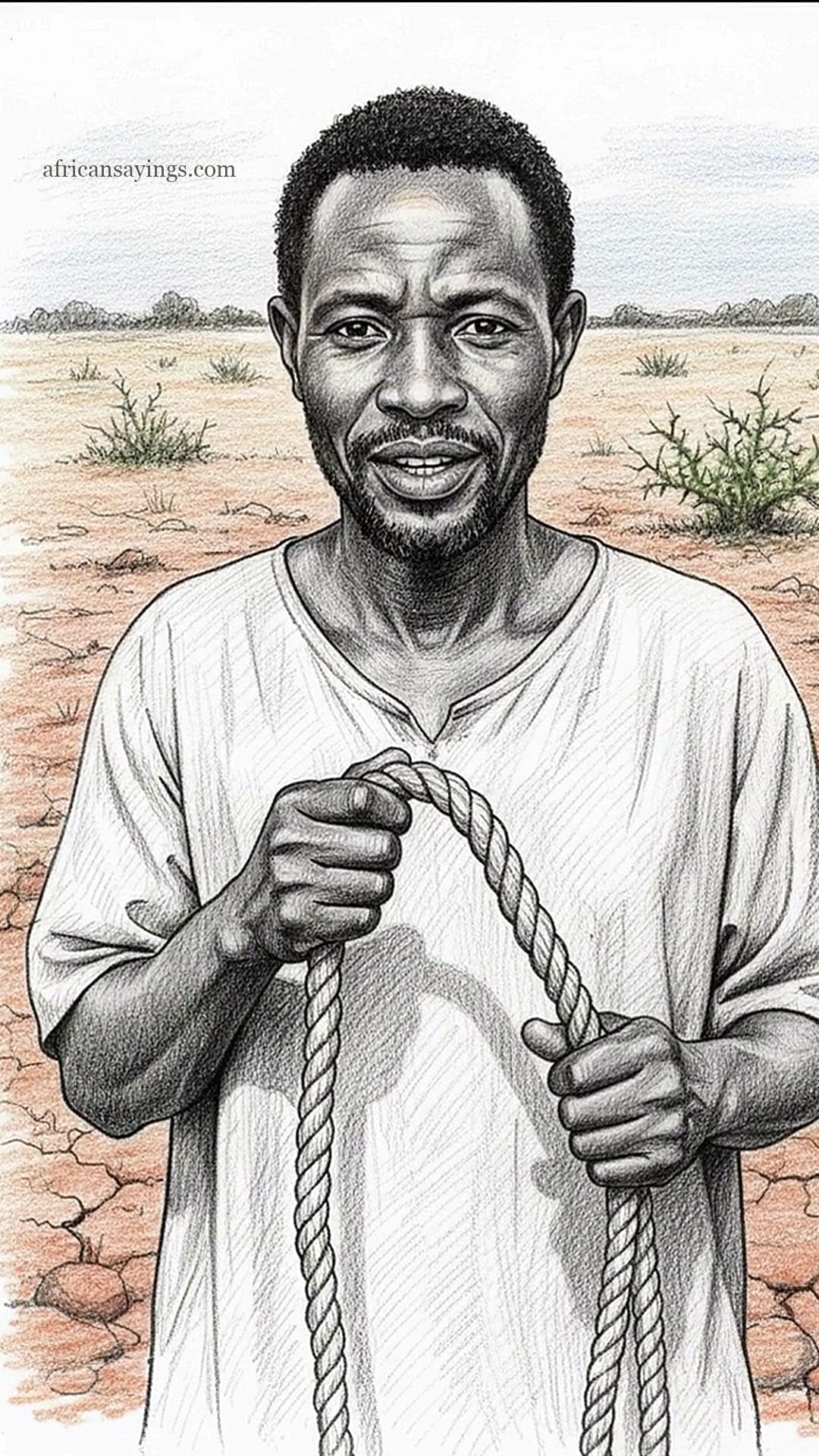
A hand cannot wash itself. Each hand must take a turn in washing the other for both hands to be clean.
What it means
Try it. Hold one hand out and get it clean using nothing else. You cannot. The other hand has to do the work.
So the proverb is not saying that help is a nice thing to have. It is saying something harder. A person is not built to be enough on their own. That is not a fault to be fixed. It is what being a person is.
Then look at which hand is which. Neither one is the helper. Both of them are dirty. Both of them do the washing. Neither is doing the other a favour, so no debt is created and nobody ends up owing anything. They are just doing the only thing that gets either of them clean.
In Akan thought, in Ghana, it is often put as two arms rather than two hands: the left arm washes the right arm, and the right arm washes the left. Same picture, and it makes the mutual part impossible to miss.
The same idea comes up across the continent in its own words. In Zulu: izandla ziyagezana — hands wash each other.
An older echo, and why it changes nothing
Almost the same line is very old in Latin: manus manum lavat, one hand washes the other. It is found in Roman writing from the first century.
That does not make the African proverb a borrowing, for two reasons.
The first is simple. Hands are hands everywhere. People in different places, who never met, noticed the same true thing about them. Nobody had to be told.
The second is more interesting. The Latin phrase is usually used for trading favours — you do something for me, I do something for you, and sometimes with a wink. It can even carry a whiff of the dishonest deal.
The African versions are not about a trade at all. They are about needing each other. The two hands are not doing a deal. They are one body, getting clean the only way it can.

Watch